
The Ultimate Guide to Storing Your Boat Out
Choosing the Best Boat Storage Option For You
As winter approaches, boat owners face the critical task of preparing their vessels for long-term storage. Whether you're a seasoned sailor or a first-time boat owner, properly storing your boat out of water during the off-season is essential to protect it from damage and ensure it's ready for the water come spring. Without the proper winter maintenance and storage methods, your boat could suffer costly wear and tear from exposure to harsh weather conditions, even when not in use.
This guide will explore the best ways to store a boat out of water, including the top winter maintenance tips to ensure your boat stays in excellent condition throughout the colder months.
Choosing the Best Boat Storage Option
Deciding how to store your boat for winter is the first and perhaps most crucial step. There are various storage methods to choose from, depending on your location, budget, and the size of your boat.
Outdoor Storage for Boats
Outdoor storage is often the most cost-effective option for boat owners. However, careful attention is required to protect the boat from the elements, including rain, snow, and freezing temperatures. Here's how to store a boat outdoors successfully:
- Invest in a high-quality boat cover: A durable, waterproof, and UV-resistant boat cover is essential. Ensure it fits snugly around your boat to prevent water and debris from accumulating.
- Elevate your boat: Whether on a trailer or supported by blocks, keeping your boat elevated off the ground will protect the hull from moisture buildup and freezing temperatures.
- Shrinkwrapping for extra protection: Consider shrinkwrapping your boat, especially if you're in a region prone to heavy snowfall. Shrink wrapping offers a tight seal that removes moisture, dirt, and pests, providing an extra layer of protection.
Indoor Storage for Maximum Protection
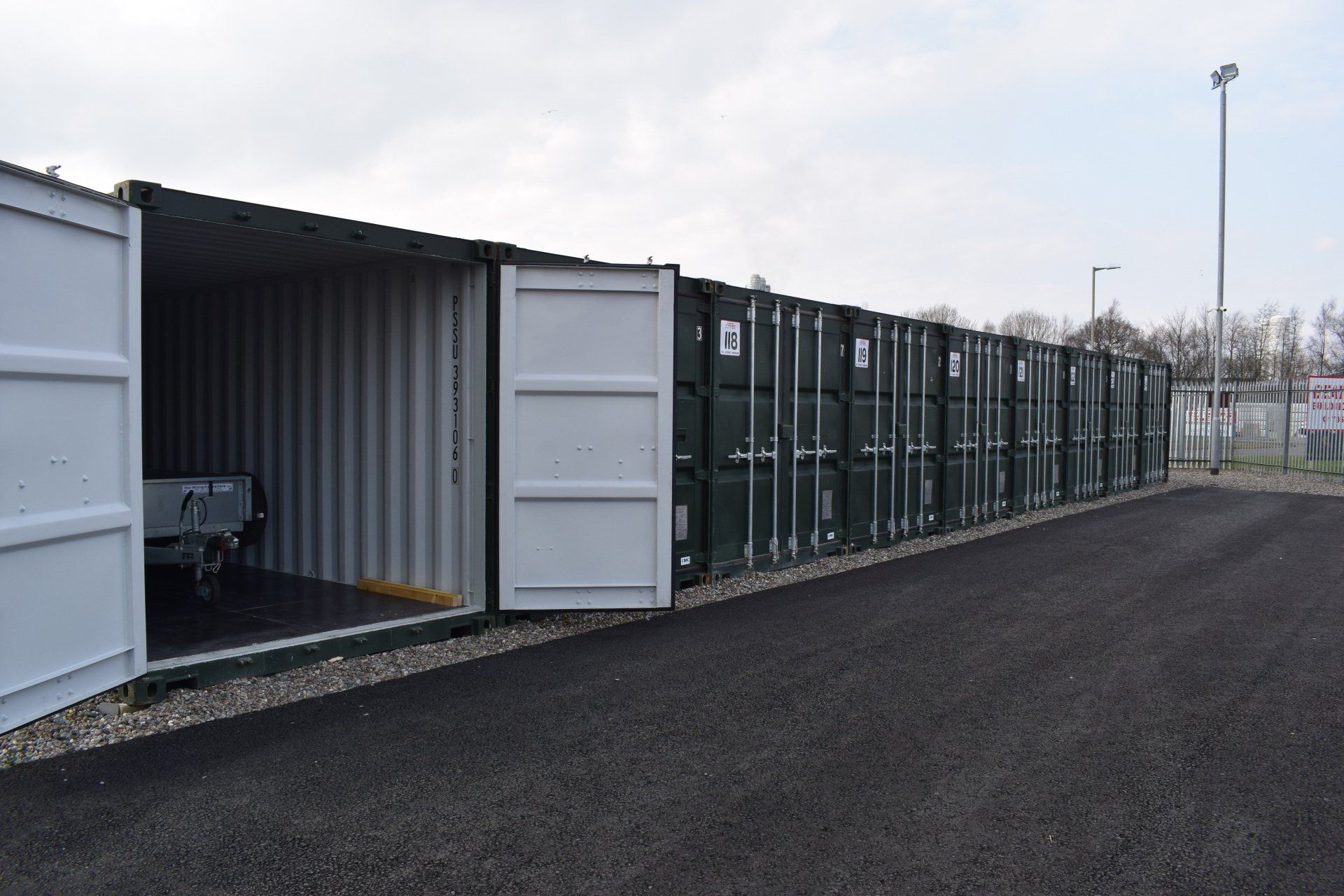
Indoor boat storage is the most protective option and is ideal for those looking to avoid weather-related wear and tear. You can store your boat in a garage, warehouse, or dedicated boat storage facility.
- Climate-controlled storage facilities: If available, opt for climate-controlled storage, which maintains a stable temperature and prevents engine and battery issues caused by extreme cold.
- Cover it indoors, too: Even in indoor storage, a breathable boat cover is wise to prevent dust, dirt, and potential moisture buildup.
Dry Stack Storage for Convenience
For smaller boats, dry stack storage is a popular option. Boats are stored on racks in a covered facility, offering protection from the elements without taking up space at home.
- Check weight and size limits: Dry stack storage facilities typically restrict boat size and weight, so confirm that your boat meets these requirements before choosing this option.
Winterising Your Boat for Safe Storage
Before storing your boat, it's crucial to winterise it to prevent damage from freezing temperatures, moisture, and inactivity. Winterisation prepares the engine, plumbing, and other systems for the cold months ahead.
Engine Winterisation
Properly preparing your boat's engine is key to avoiding issues in the spring. Follow these steps to winterise your engine:
- Flush the engine: Run fresh water through the engine to clear out salt, debris, and other contaminants that could corrode the system over the winter.
- Change the oil: Replace the old engine oil and oil filter to prevent corrosive buildup. This is especially important for four-stroke outboards and inboard engines.
- Add fuel stabiliser: Fill the fuel tank and add a marine-specific fuel stabiliser to prevent the fuel from degrading and clogging fuel lines or injectors.
- Fog the engine: If your boat has an inboard engine, spray fogging oil into the carburettor while the engine is running. This coats the engine's internal parts with a protective layer to prevent rust and corrosion.
Protecting the Plumbing
Boats equipped with freshwater systems, sinks, and toilets need extra care to prevent pipes and hoses from freezing:
- Drain all water systems: Be sure to drain any standing water from tanks, pumps, and pipes. Frozen water can crack hoses and fittings, leading to expensive repairs.
- Add antifreeze: Use non-toxic marine antifreeze to protect your water systems from freezing. Add it to all plumbing components, including the toilet, water tanks, and bilge pumps.
Battery Care During Winter
The battery is one of the most critical components of your boat and requires proper attention when storing the vessel over winter:
- Disconnect or remove the battery: It's best to disconnect or entirely remove the battery and store it in a cool, dry place.
- Trickle charge the battery: If leaving the battery in the boat, use a trickle charger to maintain the battery's charge throughout winter, preventing it from dying and ensuring it's ready for use in the spring.
Exterior Boat Care: Hull and Deck Maintenance
Prepping the exterior of your boat is just as important as internal maintenance. Ensuring your hull and deck are in top condition before winter storage can save you from issues like cracking, mould, and damage caused by ice or snow.
Clean and Wax the Hull
Before storing your boat:
- Thoroughly clean the hull: Wash off any salt, grime, and marine growth, especially if your boat has been used in saltwater. This will prevent long-term corrosion and staining.
- Apply a protective wax coat: A good-quality marine wax can protect the hull from oxidation and make it easier to clean when you take it out of storage.
Inspect the Hull for Damage
Inspect your boat's hull and deck thoroughly for any chips, cracks, or other damage. Addressing these issues before storing the boat will help prevent them from worsening during the cold months.
Interior Protection
Mould and mildew are common problems in stored boats, especially when moisture is trapped inside. To prevent this:
- Remove all soft furnishings: Take out any cushions, curtains, and other fabrics and store them indoors in a dry environment.
- Ensure proper ventilation: Keep the boat well-ventilated by using moisture absorbers or leaving hatches slightly open (if the boat is stored indoors) to allow air circulation and prevent dampness.
Routine Winter Checks
Even when your boat is securely stored, it's important to perform regular checks throughout the winter months. This helps ensure that everything remains in good condition and allows you to address any issues early on.
Check the Cover
Ensure the boat cover remains secure and free of damage. Snow, wind, and rain can sometimes cause covers to shift or tear, leaving your boat vulnerable to the elements.
Look Out for Pests
Rodents and other pests can find their way into boats over the winter, especially in outdoor storage. Inspect your boat for signs of pests and consider placing traps or repellents around the storage area.
Preparing Your Boat for Spring
When winter ends and the boating season is near, it's time to prepare your boat for use once again. This final step is crucial to ensure a smooth transition from winter storage back to the water:
- Inspect the boat thoroughly: Check the boat for any signs of damage that may have occurred over the winter. Look closely at the hull, engine, and electrical systems.
- Reconnect the battery: Reinstall the battery (if it was removed) and ensure it is fully charged.
- Test the engine: Start the engine and ensure everything is running smoothly before heading out onto the water.
By following these best practices for storing and maintaining your boat during the winter months, you can extend its lifespan, prevent expensive repairs, and ensure it's in great shape when boating season arrives.
Proper winter care is an investment in the longevity of your vessel and your enjoyment of the water. If you would like to learn more visit contact us or visit our page here.