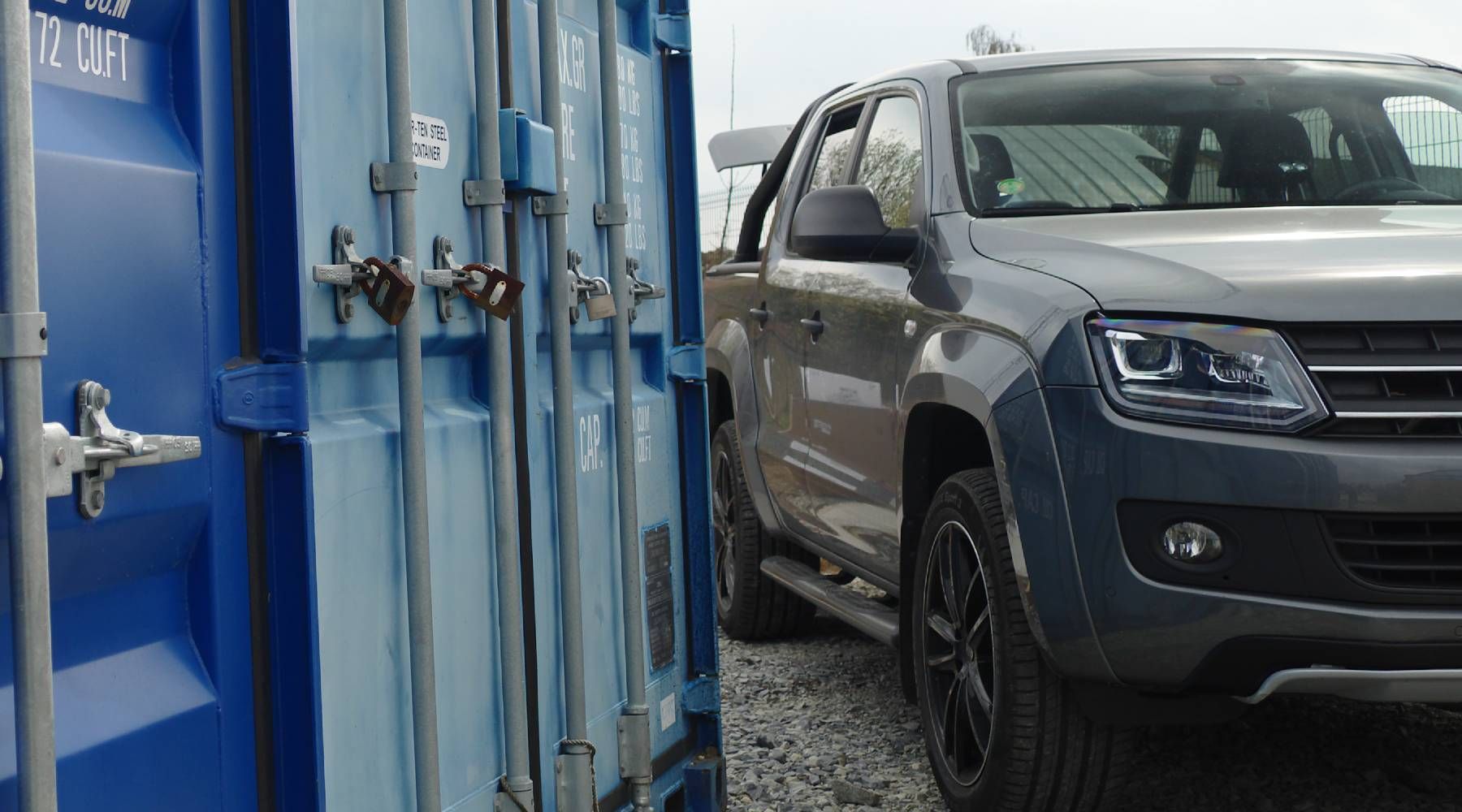

Storing Your Car or Van for a Scottish Winter
If you've ever scraped a windscreen in the dark on a January morning in Stirling, you'll know that a Scottish winter is no friend to a car. Salt on the roads, frost, endless dreich drizzle and those short, gloomy days all take their toll. For a car you rely on every day, that's just part of life. But if you have a second vehicle, a classic, a summer convertible, a motorbike or a work van you won't need until spring, there's a better option than leaving it to sit on the drive for months.
That's where winter vehicle storage in Stirling comes in. Laying a vehicle up properly for the colder months protects it, frees up space at home, and means it's ready to go when the evenings get lighter again. Here's our guide to doing it right.
Why lay up a vehicle over winter?
Some vehicles just aren't built for winter use, and others simply aren't needed. Classic car owners are often keen to keep their pride and joy well away from gritted roads, as salt is one of the biggest causes of rust. Motorbike riders tend to hang up their helmets once the frost arrives. Plenty of households also have a second car that barely moves between November and March, but still takes up room on the street or drive.
There's also the question of space. Many homes in Stirling, Falkirk, Alloa and Dunfermline don't have a garage, or the garage is already full of bikes, garden furniture and Christmas decorations. A vehicle left on the street for months can attract unwanted attention, and on some streets it's simply in the way. Moving it to a secure, dedicated site means you're not worrying about it every time the wind picks up.
How to prepare your vehicle before storage
A bit of preparation now saves a lot of hassle in spring. Here's what we'd suggest before you drop your vehicle off.
Give it a proper clean. Wash the bodywork and get underneath the arches to shift any road salt and grime, then let it dry fully. Clean the inside too, and don't leave any food, drinks or rubbish in the car, as these can attract pests and leave a smell you won't thank yourself for in April.
Top up and check the fluids. Many owners like to top up the fuel tank before storage to reduce the space for condensation inside the tank. Check the oil, coolant and screen wash too, and make sure your antifreeze is at the right strength for Scottish temperatures.
Look after the battery. A battery left connected and unused over winter can go flat, and a flat battery can be damaged by the cold. Many owners disconnect the battery, or remove it and keep it on a charger at home. Others use a small solar battery maintainer that sits on the dashboard.
Think about the tyres and brakes. Pump the tyres up to the correct pressure, or slightly above, to help prevent flat spots. For longer lay-ups, many owners prefer to leave the handbrake off and use wheel chocks instead, as handbrakes can sometimes stick if left on for months in damp weather.
Use a breathable cover. If your vehicle will be stored outdoors, a good quality, well-fitted breathable cover helps protect the paintwork from the weather while letting moisture escape. Avoid plastic sheets, which can trap damp against the bodywork.
Remove valuables. Take out anything you wouldn't want to lose, along with any personal documents. Your vehicle should be stored empty apart from the essentials.
Don't forget the paperwork
If your vehicle is coming off the road for the winter, you may want to declare it off the road with a SORN (Statutory Off Road Notification). This means you won't need to tax it while it's laid up. You can make a SORN quickly online through the GOV.UK website. Just remember that a vehicle with a SORN can't be driven on public roads until it's taxed again.
Insurance is just as important. All vehicles stored on our site must be insured by the owner. It's worth speaking to your insurer, as many offer laid-up or storage-only cover at a reduced rate while the vehicle is off the road. Let them know where the vehicle will be kept, too.
What to look for in winter vehicle storage
Not all storage is created equal, so it's worth asking a few questions before you choose a site.
Is it secure? Look for gated access, perimeter fencing, good lighting and CCTV. At our Stirling site, entry is through an automated gate with your own fob. The yard is protected by tall perimeter fencing, high-level lighting from dusk till dawn, and a CCTV system that monitors and records the facility.
Can you get to it when you need to? Some storage sites only open during office hours, which isn't much use if you fancy a sunny Sunday drive in February. Our customers have 24/7 access to their vehicle with their gate fob, so you can check on it, start it up or take it out whenever suits you.
Is it easy to reach? Our site on Craigleith Road in Stirling sits close to Junction 10 of the M9. That makes it a short drive for customers in Falkirk, Larbert, Grangemouth, Alloa, Clackmannanshire and Dunfermline as well as Stirling itself.
Is it flexible? You shouldn't be locked into a long contract for seasonal storage. Our minimum hire period is just one month, and you only need to give 28 days' notice when you're ready to take your vehicle home for good.
What can you store with us?
Our hard-standing vehicle storage is suitable for cars, vans and motorbikes, from everyday runarounds and work vans to cherished classics. If you've got something bigger, we also store caravans, motorhomes, boats and horseboxes. If you're a tradesperson laying up a van over the quieter months, you might also find a storage container handy for keeping tools and stock dry and secure.
Ready to get your vehicle off the road?
Winter in Central Scotland is long enough without worrying about the car on the drive. With a little preparation and a secure place to keep it, your vehicle will be in great shape when spring comes round, and you'll have your drive and your peace of mind back in the meantime.
If you'd like to talk through winter vehicle storage in Stirling, give our friendly team a call on 01786 649 649, email info@stirling-storage.co.uk, or fill in our contact form and we'll get back to you. Have a quick look at our FAQs too, as they cover access, insurance and what you'll need to get started.